Changing a baby’s diaper in the first few days happens many times a day, and parents often feel it’s something that needs to be done quickly, yet carefully. While your baby is small and sensitive, every move can feel uncertain, but with a little preparation, diaper changes quickly become easier.
Most importantly, before you start have everything within reach, don’t leave your baby alone on the changing mat, and clean the skin gently—without rushing or rubbing harshly. Below, you’ll find out how often you should change your baby, what to prepare, and how to change a diaper properly.
In the first weeks, babies most often need a diaper change every 2 to 3 hours, and always immediately after a bowel movement.
Newborns still don’t have control over urination and bowel movements, so full diapers are common, especially in the first days and months.
Later, diaper changes can be less frequent—about every 3 to 4 hours—depending on your baby’s age, the type of diaper, diet, and skin sensitivity. If the diaper is full, if your baby has had a bowel movement, or if you notice redness, you should change the diaper sooner.
At night, you can use overnight diapers with even stronger absorbency, but if your baby has had a bowel movement or the diaper is too full, don’t delay changing. Keeping moisture against the skin for too long can contribute to irritation, redness, and discomfort.
Your baby diaper-changing supplies should be ready before you place your baby on the mat. Once changing starts, you shouldn’t step away to get a diaper, wipes, or clothes, because you should never leave your baby alone—not even for a few seconds.
For changing a baby’s diaper, you’ll usually need:
The changing mat should be clean, flat, and stable. If you’re changing your baby on a counter, bed, or dresser, keep one hand close to your baby at all times, because even a very small baby can move suddenly.
Near the mat, you can keep baby cotton swabs, but they shouldn’t be used to clean the inside of the ear. They’re handy for gently cleaning the outer ear or small folds—always softly and without pushing into the ear canal.
If you use baby powder, it’s important to apply a small amount only to clean, dry skin, away from your baby’s face. Its role isn’t to replace regular diaper changes, but to help keep the skin dry where moisture tends to linger.
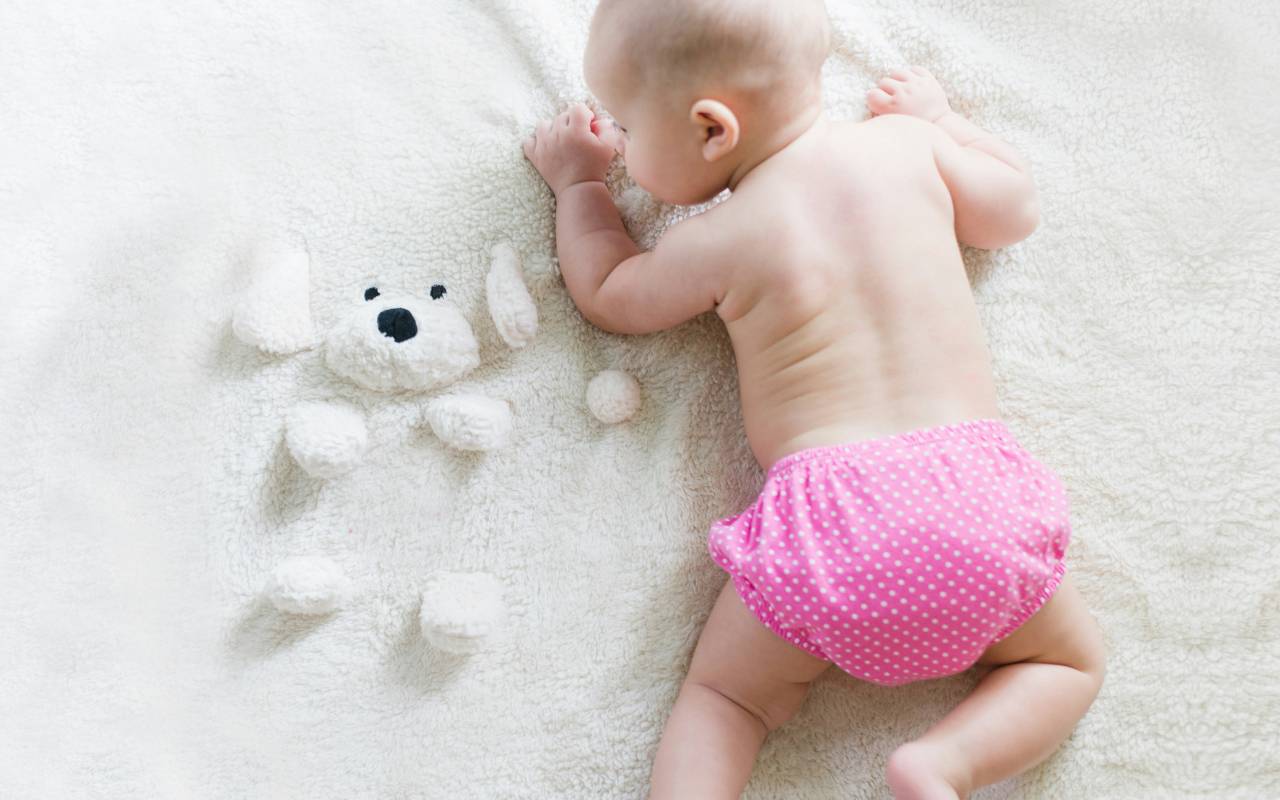
If you’re wondering how to change a baby’s diaper, the most important thing is to do everything slowly, safely, and without sudden movements. Diaper changes become much easier when your supplies are ready and the steps are clear.
Lay your baby on their back on a clean changing mat. Before you open the diaper, make sure diapers, wipes, a cloth, and spare clothes are within reach.
Never leave your baby alone on a counter, dresser, or bed. Even if they can’t roll over yet, they can make a sudden movement, so it’s important to stay with them the whole time during a diaper change.
Carefully open the diaper and use the cleaner front part of the diaper to remove most of the mess, if there is any. Then fold the diaper under your baby or dispose of it right away, depending on how soiled it is.
The skin in the diaper area is sensitive, so it’s important to clean gently.
Clean your baby’s skin with wet wipes, a soft cloth soaked in lukewarm water, or cotton pads. Movements should be gentle, without harsh rubbing, paying special attention to folds, because moisture, stool residue, and clothing fibers can easily collect there.
For girls, always wipe from front to back. This reduces the chance of transferring impurities from the diaper area to the intimate area. For boys, it’s enough to gently clean the skin and folds, without pulling back the foreskin.
If your baby has pooped, it’s always recommended to wash the diaper area with water and soap, if you’re able to.
Before you put on a new diaper, the skin should be clean and dry. If it stays damp, especially in the folds, redness or irritation can develop more easily.
Dry the skin by gently patting, not rubbing. If you use baby powder, apply it only once the skin is completely dry, in a small amount and away from your baby’s face, so your baby doesn’t inhale it.
Place the clean diaper under your baby, so the back is high enough and the front sits nicely over the tummy. Then fasten the tabs on both sides evenly, without pulling too tight.
The diaper should fit comfortably, but not too loosely.
A diaper fits your baby when it sits snugly around the tummy and thighs, but doesn’t leave deep marks on the skin.
You should be able to slip a finger between the diaper and your baby’s tummy, without feeling like the diaper is too tight.
If the diaper leaks often, shifts, or fills up quickly, it may not be positioned correctly, or your baby may need a different size.
On the other hand, if it leaves redness, indentations on the thighs, or marks around the tummy, it’s probably too tight or too small.
Changing a newborn’s diaper requires extra care, because the skin is very delicate, and the belly button may still be healing.
During this period, diapers are usually changed more often, and cleaning should be as gentle as possible.
If the umbilical stump hasn’t fallen off yet, the diaper shouldn’t press on it or cover it too tightly. You can slightly lower or fold the front of the diaper so the belly button stays dry and exposed to air.
With newborns, it isn’t necessary to use lots of products.
The most important things to focus on are:
If you notice a pronounced rash, sores, an unpleasant smell, or changes that don’t go away, it’s best to consult your pediatrician.
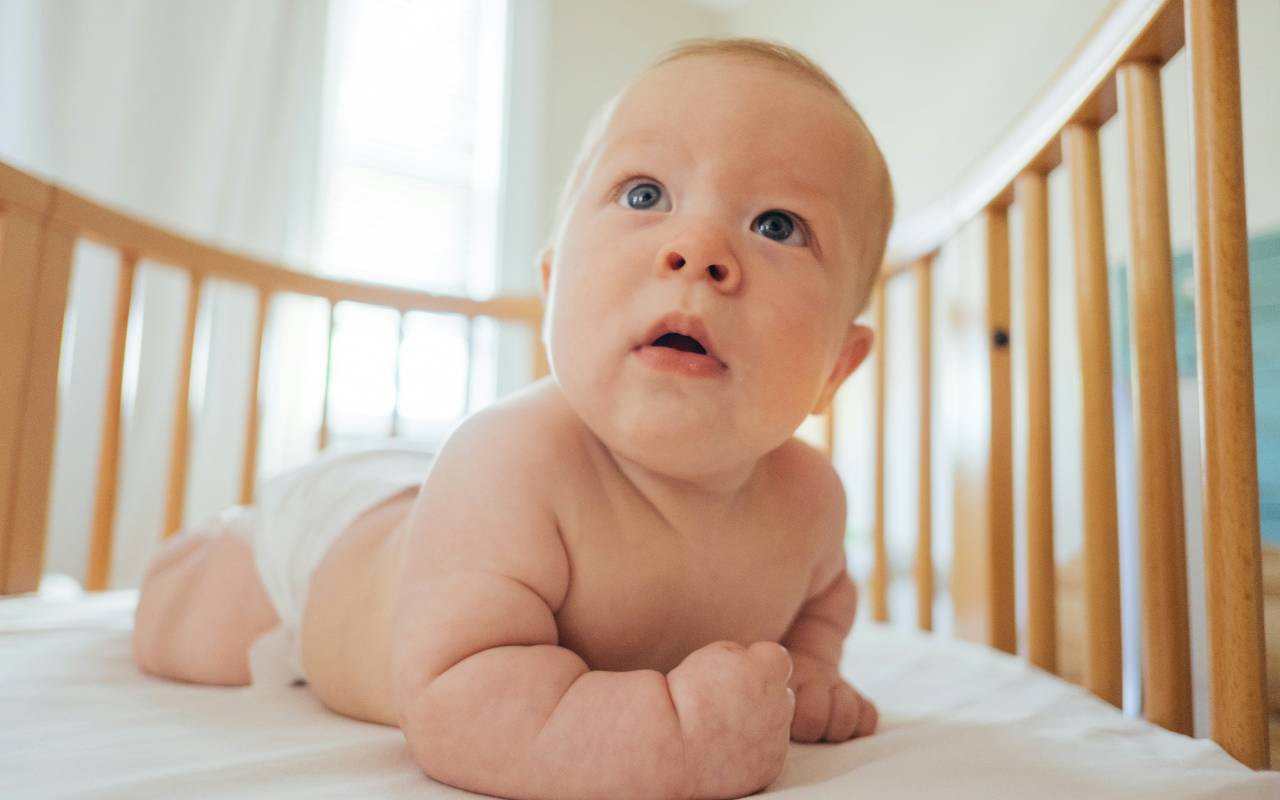
Redness and irritation most often occur when the skin is in contact with moisture, stool, or urine for a long time. That’s why regular diaper changes are the most important step in keeping the skin in the diaper area healthy.
To reduce the chance of irritation:
If your baby often has redness, pay attention to how long they stay in a wet diaper, whether the diaper size fits, and whether a cleansing product might be additionally irritating the skin.
Changing a baby’s diaper away from home is much easier when your bag is well prepared in advance. You should have all the essentials, because conditions in the park, the car, the mall, or at the doctor’s office often aren’t ideal.
Bring with you:
If conditions aren’t ideal, the most important thing is that your baby is on a clean surface and that you change the diaper quickly and safely. You can open the diaper, use the front part to remove most of the mess, clean the skin with wipes, and put on a new diaper as soon as possible.
Once you’re back home, if you feel the diaper change wasn’t thorough enough, you can additionally clean the diaper area with lukewarm water and dry it carefully.
In the first days, diaper changes often feel like a routine that keeps repeating, but that’s exactly why they quickly become one of the moments when parents get to know their baby best.
With each diaper change, it’s easier to notice what suits your baby, how they react to touch, whether a wet diaper bothers them, and what their skin looks like.
That’s why diaper changes aren’t just a technical task to get done as fast as possible. They’re also a chance to check that the skin is clean, dry, and free of redness, to position the diaper so it doesn’t pinch, and to create a sense of security with gentle movements.
When diapers, the mat, wet wipes, and other baby cosmetics are prepared in advance, diaper changes become easier and less stressful. Over time, you’ll find a rhythm that suits both you and your baby, and this everyday routine will become a short but important part of care from the very first days.
You don’t have to wake your baby for every wet diaper if they’re sleeping peacefully and the diaper isn’t very full. However, if your baby has had a bowel movement, if the diaper is full, or if the skin is sensitive, the diaper should be changed.
You don’t have to use baby powder at every diaper change. Use it only when needed, in a small amount, only on clean, dry skin, taking care not to let it disperse near your baby’s face.
If your baby cries during a diaper change, it usually helps to speak calmly, prepare everything in advance, and change the diaper without sudden movements. Some babies also respond well to a brief distraction with a toy, humming, or a gentle touch.
You usually shouldn’t wake your baby just because of a wet diaper if they’re sleeping peacefully and the diaper isn’t very full. Exceptions are situations when your baby has had a bowel movement, when the diaper has leaked, or when there is redness that can worsen if the skin stays damp for too long.
If the diaper leaks often, check whether it’s positioned correctly, whether the side tabs are fastened evenly, and whether the size fits your baby. Leaks often mean the diaper is too small, too loose, or needs to be changed more often.
You move up to a larger diaper size when the diaper leaves deep marks on the tummy or thighs, is hard to fasten, or leaks often. The diaper should fit snugly, but it must not pinch your baby or leave indentations on the skin.